Your cart is empty. Let’s fix that with a little Liquid Gold.
Shop honey
April 8, 2026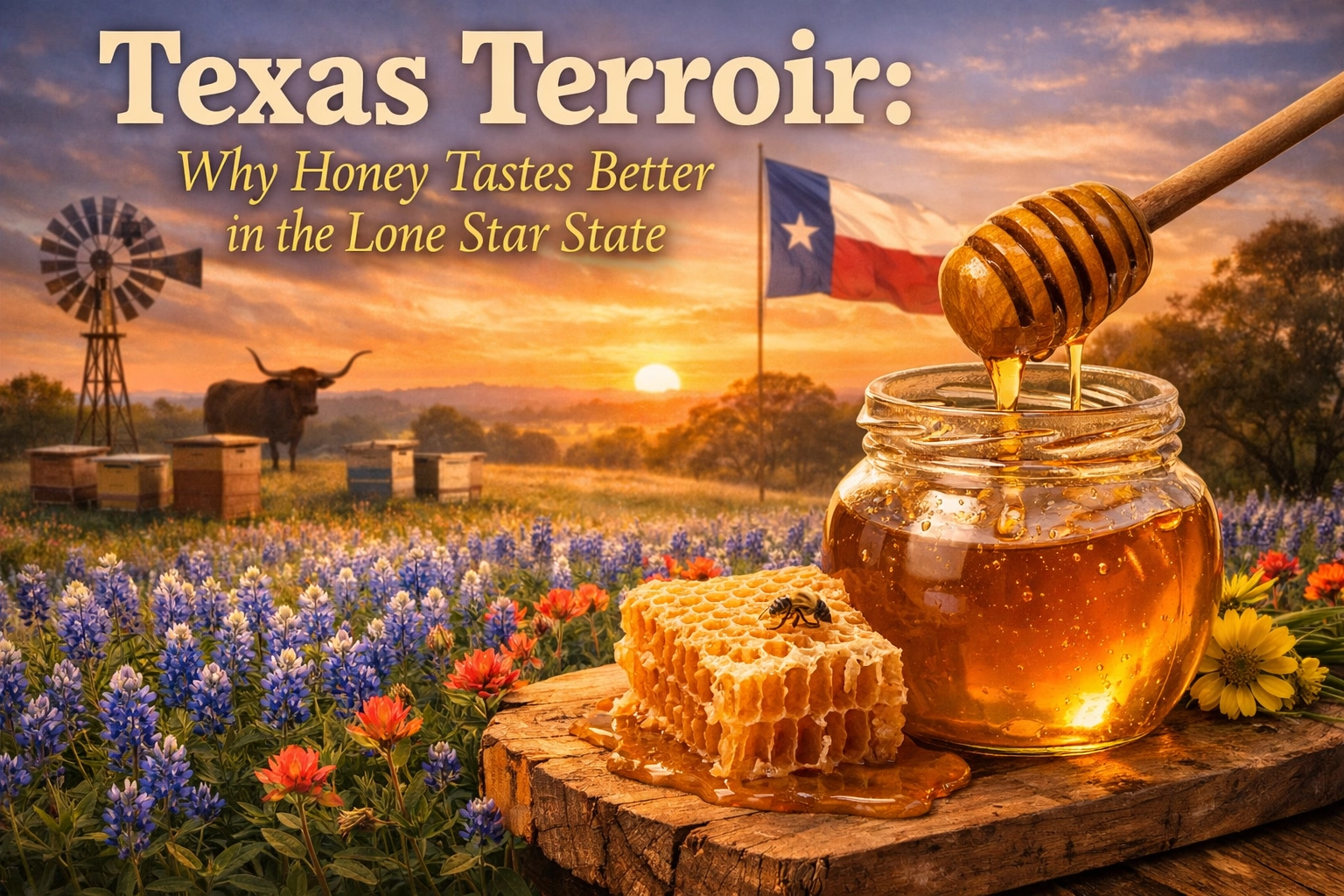
Texas Terroir: Why Honey Tastes Better in the Lone Star State
If you’ve ever stopped by a local farmer's market and tasted a spoonful of honey that actually tasted like something more than just "sweet," you’ve experienced the magic of terroir. Most people associate that fancy French word with wine or coffee, but here in the great state of Texas, we apply it to our favorite pantry staple: honey. 🍯
At Savannah Ranch, we call our signature wildflower honey Liquid Gold, and there’s a reason it’s described as Raw Luxurious Nourishment. It’s not just honey; it’s a liquid map of the Texas landscape. But why does honey from a hive in the Hill Country taste so different from honey produced in the Blackland Prairie?
Grab a cup of tea (sweetened with the good stuff, of course), and let’s dive into why Texas honey is the undisputed heavyweight champion of flavor. 🏆
What is Terroir, Anyway?
In the simplest terms, terroir is the "sense of place." It is the combination of soil, climate, and local environment that gives a crop its unique character. For bees, terroir is a 3-mile radius. Because honeybees generally forage within a few miles of their home base, every drop of nectar they collect is a reflection of the specific flowers growing in that dirt at that exact moment. 🌸
When you buy a jar of mass-produced, "clover-blend" honey from a big-box store, you’re usually getting a mixture of honeys from different countries, heated to high temperatures and filtered until all the personality is gone. It’s flat. It’s boring.
Texas raw honey is the exact opposite. It’s complex, vibrant, and carries the soul of the Lone Star State.
The Soil: Texas’s Secret Ingredient
Believe it or not, the minerals in the ground under a bee’s feet change the flavor of the honey in the jar. Texas is home to incredibly diverse soil types, from the limey, rocky soil of the Hill Country to the rich, dark "black gumbo" of the coastal prairies.
Scientific studies have shown that soil minerals play a crucial role in honey’s final character. Light-colored Texas honeys, like those found in areas with high calcium content, tend to be milder and more floral. On the other hand, darker varieties often contain higher amounts of potassium, chlorine, sulfur, and iron.
For example, cotton grown in the fertile Blackland Prairie soil produces some of the most sought-after honey in the state, whereas cotton grown in mineral-poor sandy soils might not produce any nectar for the bees at all. It’s the dirt that does the work! 🪴

A Tour of Texas Flavors
Texas is divided into 10 principal plant-life biomes. This means that a bee in West Texas is having a completely different "culinary experience" than a bee in the Piney Woods. Here’s a quick breakdown of what the Texas terroir tastes like across the state:
1. The Sweetness of West Texas (Cotton & Mesquite)
In the dryer regions of West Texas, bees flock to cotton blossoms and mesquite trees. Mesquite honey is a Texas classic, it’s dark amber, thick, and has a slightly smoky, woody aroma with hints of brown sugar. It’s the perfect companion for a backyard BBQ glaze.
2. The "Champagne of Honey" (South Texas Huajillo)
Down in the brush country of South Texas, the Huajillo (pronounced wa-he-yo) shrub produces a honey so light and delicate it’s often called the "Champagne of Honey." It is white or very light amber with a mild, rich flavor that reminds some people of loquats or light citrus. 🥂
3. Central Texas Classics (Clover & Wildflower)
This is where our Liquid Gold shines. Central Texas is a melting pot of horsemint, Indian blanket, and various clovers. The result is a well-rounded, floral honey with an inherent softness and a touch of warm spice. It’s exactly what you want on a hot biscuit.
4. The Richness of the Brazos Valley (Pecan)
While bees don't get much nectar from the pecan catkins themselves, they often collect "honeydew" or work nearby blossoms in pecan groves. This produces a honey that is dark, thick, and has a creamy texture reminiscent of pecan pie syrup. If you haven't tried our Honey-Roasted Pecans, you are missing out on the ultimate Texas terroir pairing.
Why "Raw" and "Unfiltered" Matters
To keep that Texas terroir intact, you have to treat the honey with respect. That’s why we insist on providing unfiltered honey.
When honey is ultra-filtered and pasteurized (the way most commercial brands are), the pollen is removed. Pollen is the "DNA" of the honey; it tells you exactly where it came from. By keeping our honey raw, we preserve the natural enzymes, antioxidants, and those tiny grains of Texas pollen that give the honey its depth.
When we say Liquid Gold is Raw Luxurious Nourishment, we mean it. It’s a complete food, straight from the hive to your table, with all the health benefits and flavor profiles that nature intended. 🐝✨

Environmental Stewardship: Protecting the Taste of Texas
We can’t talk about terroir without talking about the environment. Our bees are the frontline workers of the Texas ecosystem. By foraging across the state, they pollinate the very wildflowers and crops that make Texas beautiful and productive.
As a family-run ranch, we see ourselves as stewards of the land. Supporting local beekeepers isn't just about getting a better-tasting product; it’s about ensuring that the Texas landscape continues to thrive. When you choose local Texas honey, you are directly investing in the health of our local environment.
A Note for our Wholesale Partners 🤝
If you’re a retail shop owner or a distributor looking to offer your customers something truly special, Texas terroir is your best selling point. In a world of generic products, consumers are craving authenticity. They want to know the story behind their food.
Stocking Liquid Gold in your shop isn't just adding another SKU to the shelf, it's offering your customers a taste of their own backyard. Whether it's our 16 oz bottles for the casual shopper or our 1-gallon pails for local bakeries, the quality speaks for itself. Local Texas honey has a much higher repeat-purchase rate because once you taste the "somewhereness" of raw honey, you can never go back to the plastic bear.
How to Experience Texas Terroir Yourself
The best way to understand the difference is to do a "honey flight" at home. ✈️
- Grab a jar of our Liquid Gold.
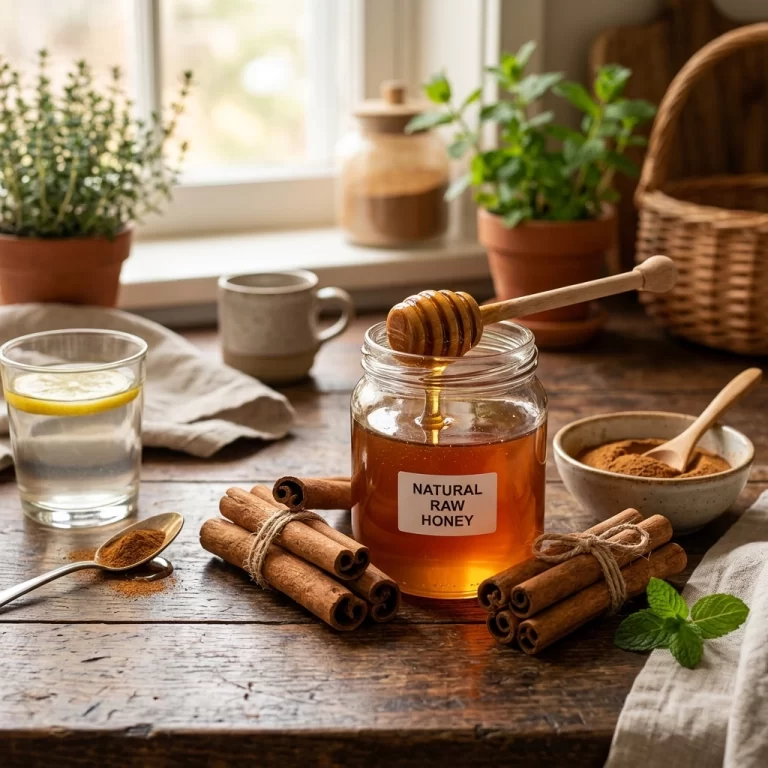
- Grab a jar of our Cinnamon Infusion (okay, that’s a different kind of flavor, but still delicious!).
- Compare them to a standard store-bought honey.
Notice the color. Smell the aroma. Let it sit on your tongue. You’ll taste the Texas sunshine, the minerals in the soil, and the hard work of millions of bees.
Texas is a big state with a big personality, and our honey is no different. It’s bold, it’s complex, and it’s unapologetically local. That’s the power of Texas Terroir.
Stay sweet, y'all! 🍯
Works Cited
- Texas Beekeepers Association. "The Varieties of Texas Honey." TexasBeekeepers.org, 2023.
- USDA Agricultural Research Service. "Honey Composition and Properties." USDA.gov, 2022.
- National Institutes of Health (NIH). "Physicochemical Parameters and Antioxidant Activity of Honey from Different Botanical Origins." PubMed Central, 2021.
- Texas A&M AgriLife Extension. "Beekeeping in Texas: Flora and Nectar Sources." AgriLifeExtension.tamu.edu, 2024.
- National Honey Board. "Honey Terroir: How Environment Impacts Flavor." Honey.com, 2023.
Ready to taste the difference? Raw, unfiltered Liquid Gold ships free on orders $35+.
Shop Liquid Gold