If there is one question I get more than any other when I’m out at the local markets, it’s this: "James, I absolutely love the honey, but I don't think I’m ready to have 50,000 roommates in my backyard. How can I help the bees without actually becoming a beekeeper?" 🐝
I totally get it! Keeping bees is a massive commitment, it’s part science, part manual labor, and a whole lot of sweat under a Texas sun. But here’s the secret: you don't need a veil and a smoker to be a hero for our local pollinators. In fact, some of the most impactful things you can do for Texas bees happen right in your own backyard (or even on your apartment balcony).
At Savannah Ranch, we see ourselves as more than just honey producers. We’re stewards of the land. When you support the bees, you’re supporting the entire ecosystem that creates our Liquid Gold raw wildflower honey. Let’s dive into five super simple, practical ways you can help our fuzzy little friends thrive. 🍯✨
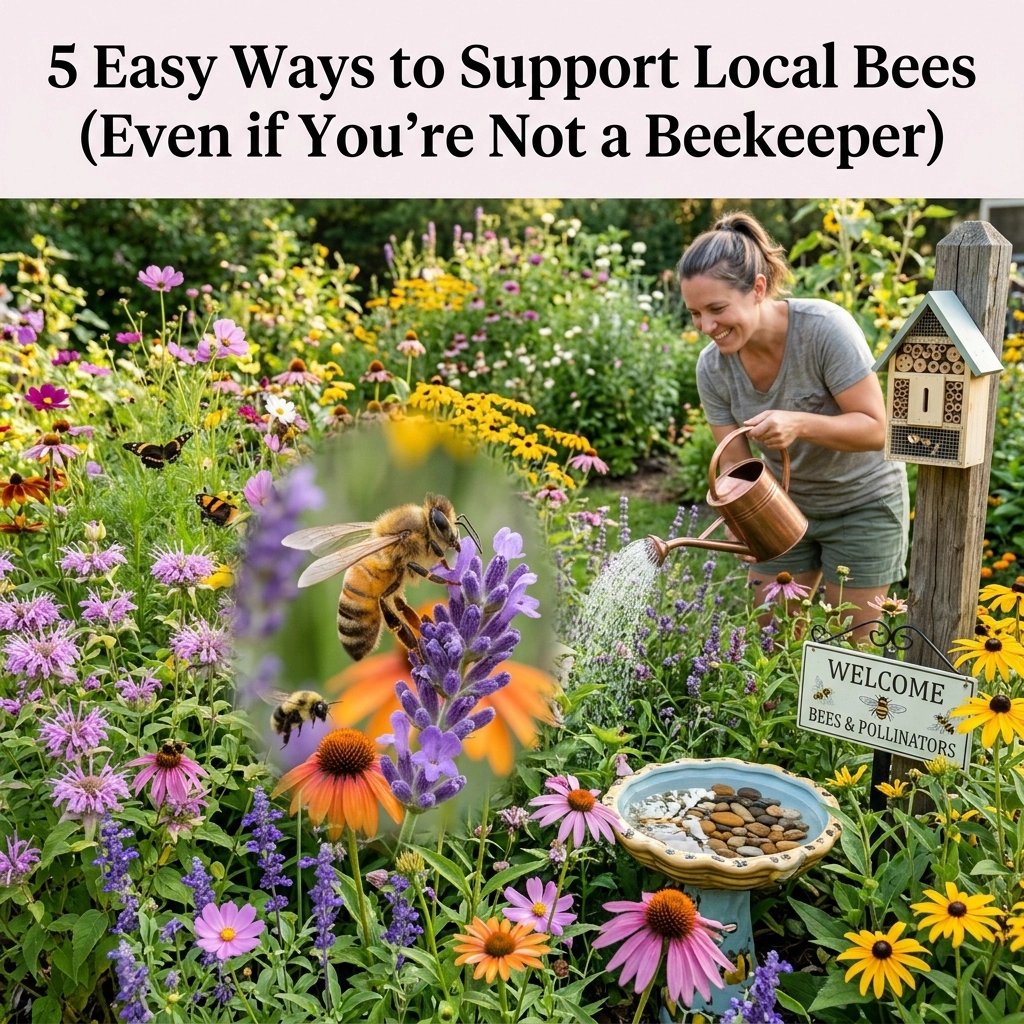
1. Plant a "Pollinator Buffet" (Texas Style!)
Bees are a lot like us, they need a diverse diet to stay healthy. Imagine if you only ate one type of food every single day. You’d get bored, and eventually, you’d get sick. Bees need a variety of nectar and pollen sources to keep their immune systems strong.
The best way to provide this is by planting native flowers. Native plants are the MVPs of conservation because they’ve co-evolved with our local bee species. They know the Texas soil, they can handle our crazy heatwaves, and they provide exactly the right kind of "fuel" our bees need.
If you’re looking to turn your garden into a 5-star bee resort, look for these Texas favorites:
- Texas Bluebonnets (Lupinus texensis): Not just a photo op! These are vital early-season food sources.
- Indian Blanket (Gaillardia pulchella): Tough as nails and absolutely beautiful.
- Mexican Hat: Distinctive and high in nectar.
- Bee Balm (Monarda): The clue is in the name, bees go wild for this stuff!

Pro Tip: Try to have something blooming from early spring all the way through the fall. Bees don't just eat in April; they need resources during the "dearth" periods when the summer heat usually browns everything else. Even a small window box of herbs like lavender, rosemary, or mint can make a world of difference for a hungry forager.
2. Ditch the "Perfect" Lawn and the Harsh Chemicals
We’ve been conditioned to think a perfectly green, weed-free lawn is the gold standard. But to a bee, a manicured grass lawn is a "green desert." It offers zero food and zero shelter. 🌵
One of the easiest things you can do is… well, nothing! Let the dandelions and clover grow. These "weeds" are often the very first food sources available to bees coming out of winter dormancy.
More importantly, stop using pesticides and herbicides. Common garden chemicals, especially those containing neonicotinoids, are devastating to bee populations. They don't just kill "pests"; they are indiscriminate. Even if a spray doesn't kill a bee instantly, it can disorient them, making it impossible for them to find their way back to the hive.
Instead, try organic gardening methods:
- Use physical barriers for pests.
- Encourage beneficial insects like ladybugs.
- Focus on soil health: a strong plant is a resilient plant! 🌿
3. Build a "Bee Bar" (Hydration is Key!)
Did you know bees get thirsty? They use water not just for drinking, but also to regulate the temperature of the hive and to dilute stored honey that has become too thick to eat.
However, bees are terrible swimmers. If you have a birdbath or a pool, they often fall in and drown because they have nowhere to land. You can solve this by creating a dedicated "Bee Bar." 🍹
How to make a Bee Bar:
- Take a shallow dish or bowl.
- Fill it with pebbles, river rocks, or even colorful marbles.
- Add water, but keep the tops of the stones dry.
- Place it in a shady spot near your flowers.
The stones act as landing pads, allowing the bees to walk down to the water’s edge and take a sip without the risk of taking an unplanned swim. It’s a small addition to your porch that saves lives every single day.

4. Leave Some "Mess" for Nesting
While we often think of honeybees living in big wooden boxes (hives), about 70% of our native bee species actually live in the ground. The other 30% live in hollow stems or dead wood. 🪵
When we over-mulch our flower beds with thick wood chips or clear away every fallen branch, we are essentially destroying their homes.
To help them out:
- Leave some bare dirt: Find a sunny, quiet corner of your yard and leave it mulch-free. Ground-nesting bees will use this to tunnel down and lay their eggs.
- Don't "clean up" the garden too early: Keep those dead flower stems standing through the winter. Many bees hibernate inside those hollow stalks.
- Keep a "wild" corner: If you have the space, let a corner of your property grow a bit wild with fallen logs and leaf litter. It’s a luxury apartment complex for pollinators!
5. Support Local Beekeepers (Like Us!)
This is arguably the most delicious way to help. When you buy local honey, you aren't just getting a sweetener for your tea; you are directly funding the conservation efforts required to keep bee populations healthy.
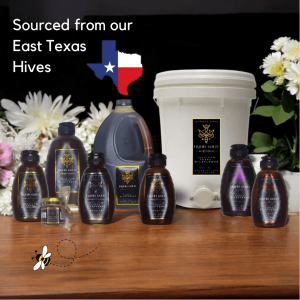
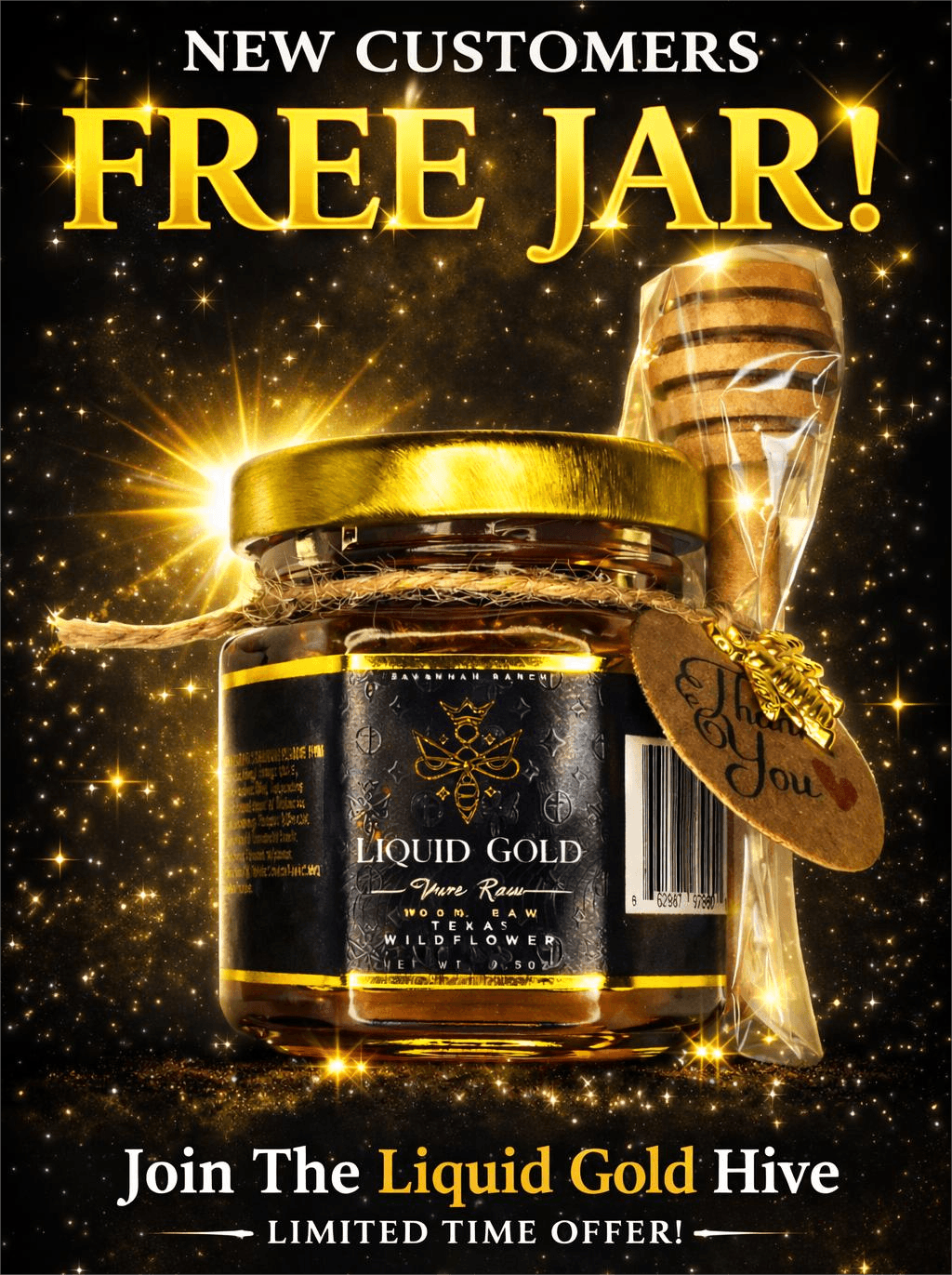
At Savannah Ranch, our mission is to produce Liquid Gold: which we like to call Raw Luxurious Nourishment. 🏆 This isn't the processed, filtered stuff you find in plastic bears at the big-box stores. That stuff is often heated to the point where all the beneficial enzymes and local pollens are destroyed.
Our honey is harvested with the health of the hive as the first priority. We make sure the bees have plenty of their own stores to get through the winter before we take a drop. If you want to support that mission in a more intentional way, explore our Beekeeper Collection or add a little bold flavor to your pantry with our Honey-Roasted Hot Pecans. Every purchase helps support a local business that puts the environment first.
Supporting local also means supporting Texas bees. By purchasing honey from your own region, you’re getting the specific pollens that can help your body adapt to the local environment. It’s a win-win for you and the bees!
Why It Matters: The Result of Happy Bees
When bees are supported by a community that plants native flowers and avoids toxins, they produce something truly magical. We call it Liquid Gold because of its incredible depth of flavor and its status as a premium, natural superfood. 🍯
Because our bees forage on a variety of Texas wildflowers, every jar is a snapshot of the season. It’s complex, it’s floral, and it’s packed with the nutrients nature intended. This is Raw Luxurious Nourishment at its finest. You can taste the difference that a healthy ecosystem makes.
And that support shows up in more than one way at the table. From gifting the Beekeeper Collection to snacking on our Honey-Roasted Hot Pecans, choosing Savannah Ranch is a vote for bee conservation.
Final Thoughts
You don’t need a bee suit to be a part of the solution. By making these five small changes: planting a few native seeds, putting out a water dish, or choosing local raw honey: you are becoming a vital link in the chain of conservation.
Next time you’re enjoying a spoonful of our honey, take a second to think about the incredible journey it took to get to you. It’s a gift from the bees, and by following these steps, you’re giving a little something back to them. 🐝✨
Stay sweet, Texas!
James Rose
CEO, Savannah Ranch
Works Cited & References
- USDA Natural Resources Conservation Service. "Pollinators." nrcs.usda.gov. https://www.nrcs.usda.gov/wps/portal/nrcs/main/national/plantsanimals/pollinate/
- Texas A&M AgriLife Extension. "Native Plants for Texas Insects." agrilifeextension.tamu.edu. https://agrilifeextension.tamu.edu/library/gardening/native-plants/
- The Xerces Society for Invertebrate Conservation. "Pollinator Conservation Resources: Central Region." xerces.org. https://www.xerces.org/pollinator-resource-center/central
- National Institutes of Health (NIH). "Honey and Health: A Review of Recent Clinical Research." pubmed.ncbi.nlm.nih.gov. https://pubmed.ncbi.nlm.nih.gov/28539734/
- Environmental Protection Agency (EPA). "Protecting Bees and Other Pollinators from Pesticides." epa.gov. https://www.epa.gov/pollinator-protection



0 Comments