Have you ever found yourself standing in the grocery store aisle, staring at a wall of honey jars, feeling completely overwhelmed? You see the words "Pure," "Natural," "Raw," and "Wildflower" plastered across every single label. They all look pretty much the same, golden, sticky, and sweet. But here’s the secret the big brands don't want you to know: all honey is not created equal.
In fact, if you’re buying that bear-shaped bottle from a massive supermarket chain, you might not even be eating "real" honey in the way nature intended. When we talk about raw Texas wildflower honey, we’re talking about something much more complex than just a sweetener. We’re talking about what we call "Raw Luxurious Nourishment."
At Savannah Ranch, we get asked all the time: "James, how do I actually know if this honey is good?" Today, I’m going to pull back the curtain. We’re going to look at what the labels aren't telling you and how you can spot a high-quality unfiltered honey from a mile away.
1. The "Raw" Label Loophole
You’ll see the word "Raw" on almost every jar these days. But here’s the kicker: the FDA doesn’t have a strictly enforced, legal definition for the word "raw" when it comes to honey. This means a company can heat their honey to a point where the beneficial enzymes are destroyed, and as long as they don't "pasteurize" it at ultra-high temperatures, they might still slap a "raw" label on it.
True raw texas honey should never be heated above the natural temperature of the hive (usually around 95°F). Why does this matter? Because honey is a living food. It contains amylase, an enzyme that helps your body digest starchy foods, and glucose oxidase, which gives honey its famous antibacterial properties (National Institutes of Health).
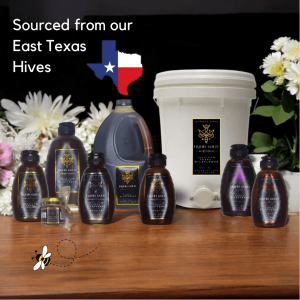
If you see honey that is perfectly clear and stays liquid for years, chances are it’s been flash-heated and force-filtered. Our 32 oz Liquid Gold is kept as close to the hive as possible, preserving every bit of that nutritional goodness.
2. The Truth About "Wildflower"
"Wildflower" sounds romantic, doesn't it? It evokes images of bees dancing through meadows. Technically, wildflower honey just means the bees gathered nectar from various sources rather than one specific crop (like clover or orange blossom).
However, the source of those wildflowers matters immensely. Texas is huge, and the nectar from North Texas is going to taste vastly different from the nectar in the Hill Country. Some labels won't tell you that their "wildflower" honey is actually a blend of cheap honey from different states, or even different countries, bottled in Texas.
When you choose a raw texas wildflower honey from a local producer, you’re getting a flavor profile that is unique to our landscape. It’s a snapshot of a specific time and place. 🍯

3. Why Color and Texture Are Your Best Friends
In the world of commercial honey, "clear and golden" is the gold standard for shelf appeal. But in the world of high-quality honey, clarity can actually be a red flag.
- Pollen is the Prize: If your honey is a bit cloudy, celebrate! That cloudiness is usually a sign of suspended pollen grains. Most commercial brands use "ultra-filtration," a process where honey is heated and forced through tiny filters to remove pollen. Why? Because pollen makes honey crystallize faster, and big stores want honey that stays liquid forever. But the pollen is where the local allergy benefits and amino acids live!
- The Crystal Truth: If your honey "turns to sugar" (crystallizes), it hasn’t gone bad. In fact, it’s a sign of a high-quality unfiltered honey. Pure, raw honey will crystallize over time. If your jar has been sitting in the pantry for a year and is still perfectly clear, it’s likely been processed within an inch of its life.
- Dark vs. Light: Don't be afraid of the dark. Darker honeys generally have higher mineral content and a more robust, molasses-like flavor. Lighter honeys are usually milder and more floral.
4. The "Force Filtering" vs. "Straining" Debate
There is a massive difference between straining and filtering.
- Straining: This is what we do at Savannah Ranch. We pass the honey through a simple mesh to remove large chunks of beeswax or any "bee parts" (hey, it’s a farm!). This leaves all the microscopic pollen and nutrients intact.
- Filtering: This often involves high pressure and diatomaceous earth to strip the honey of everything but the sugar.
When you’re looking at a jar, check to see if it specifically says "unfiltered." If it just says "pure," keep your guard up. Our Liquid Gold is always unfiltered because we believe you deserve the full experience of the hive.
5. The "Taste Test" That Never Lies
If you really want to know if you have the good stuff, trust your taste buds. Processed honey usually just tastes "sweet": like corn syrup with a hint of floral scent.
A true raw texas wildflower honey should have layers. You might catch a hint of peppery mesquite, a touch of deep molasses, or even a slight medicinal tang from medicinal herbs the bees visited. The aftertaste should be clean, not a lingering "sickly-sweet" film on your tongue.
If you’re looking for a flavor explosion, try comparing our standard raw honey to one of our infusions, like the 16 oz Cinnamon Infusion. You'll notice how the complexity of the raw honey carries the spice rather than just acting as a sugary base.

6. The Environmental Stewardship Angle
When you buy honey from a local ranch like ours, you aren't just buying a jar of food; you’re supporting a local ecosystem. Bees are the backbone of our agricultural system. According to the USDA, one out of every three bites of food we eat is thanks to pollinators like honeybees.
By choosing raw texas honey from small-batch producers, you are incentivizing the protection of bee habitats. Large commercial honey operations often move their bees across the country to pollinate monocrops (like almonds), which can be incredibly stressful and unhealthy for the hives. Our bees stay local, supporting Texas wildflowers and keeping our corner of the world green and growing. 🐝✨
7. How to Read Between the Lines
Here’s a quick checklist for your next honey hunt:
- Check the "Ingredients": It should say "Honey." That's it. No "Honey Sauce," no "Fructose," no "Corn Syrup."
- Look for a Physical Address: Does the label show where it was bottled? If it just says "Distributed by…" without a clear origin, it’s a mystery blend.
- Check the Clarity: If it’s slightly opaque or has a "foam" at the top, grab it! That's the good stuff.
- The Glass vs. Plastic Debate: While not a dealbreaker, high-end raw honey is often stored in glass to prevent any plastic leaching and to preserve the delicate aroma.
The Savannah Ranch Promise
We call our honey Liquid Gold because we treat it with the respect it deserves. It’s not just a commodity to us; it’s Raw Luxurious Nourishment. We don’t cook it, we don’t force-filter it, and we sure don’t blend it with anything synthetic.
Whether you’re drizzling it over your morning yogurt, using it to sweeten your tea, or pairing it with our Honey-Roasted Pecans for a Texas-sized snack, you’re getting the real deal.
Ready to taste the difference that "unfiltered" really makes? Head over to our shop and grab a jar of the best the Lone Star State has to offer. Your family (and the bees) will thank you!
Stay sweet,
James Rose
CEO, Savannah Ranch
Works Cited
- National Institutes of Health (NIH). "Honey and Health: A Review of Recent Clinical Research." Pharmacognosy Research. Link
- United States Department of Agriculture (USDA). "The Importance of Pollinators." USDA.gov. Link
- Food and Drug Administration (FDA). "Proper Labeling of Honey and Honey Products: Guidance for Industry." FDA.gov. Link
- Texas Beekeepers Association. "The Benefits of Local Texas Honey." TexasBeekeepers.org.
- Mayo Clinic. "Honey: Is it a safe alternative to sugar?" MayoClinic.org. Link



0 Comments