Hey there! If you’ve ever stopped by our booth at a local Texas market, you’ve probably seen me grinning behind a stack of jars, talking someone's ear off about our latest batch of wildflower honey. One of the questions I get asked most often, usually while someone is sampling a spoonful of our Liquid Gold, is: "James, are the bees doing okay?"
It’s a great question, and honestly, it’s one that every honey lover should be asking. Because here’s the truth: without the bees, there is no honey. But more importantly, without the bees, our dinner plates would look pretty lonely.
At Savannah Ranch, we don’t just see ourselves as honey producers. We see ourselves as stewards of the land and protectors of the tiny, fuzzy workers who make everything we do possible. Today, I want to take you "behind the hive" to see why honeybee conservation isn't just a buzzword, it’s the backbone of our food system and the secret to that Raw Luxurious Nourishment you love. 🍯🐝
The One-in-Three Rule: Why Your Plate Depends on Pollination
Let’s start with a mind-blowing stat that I love sharing. According to the USDA, about one out of every three bites of food you eat can be attributed to the hard work of pollinators, especially honeybees.
Think about your favorite breakfast. That splash of almond milk in your coffee? Bees. The blueberries on your oatmeal? Bees. The avocado on your toast? You guessed it, bees. 🥑
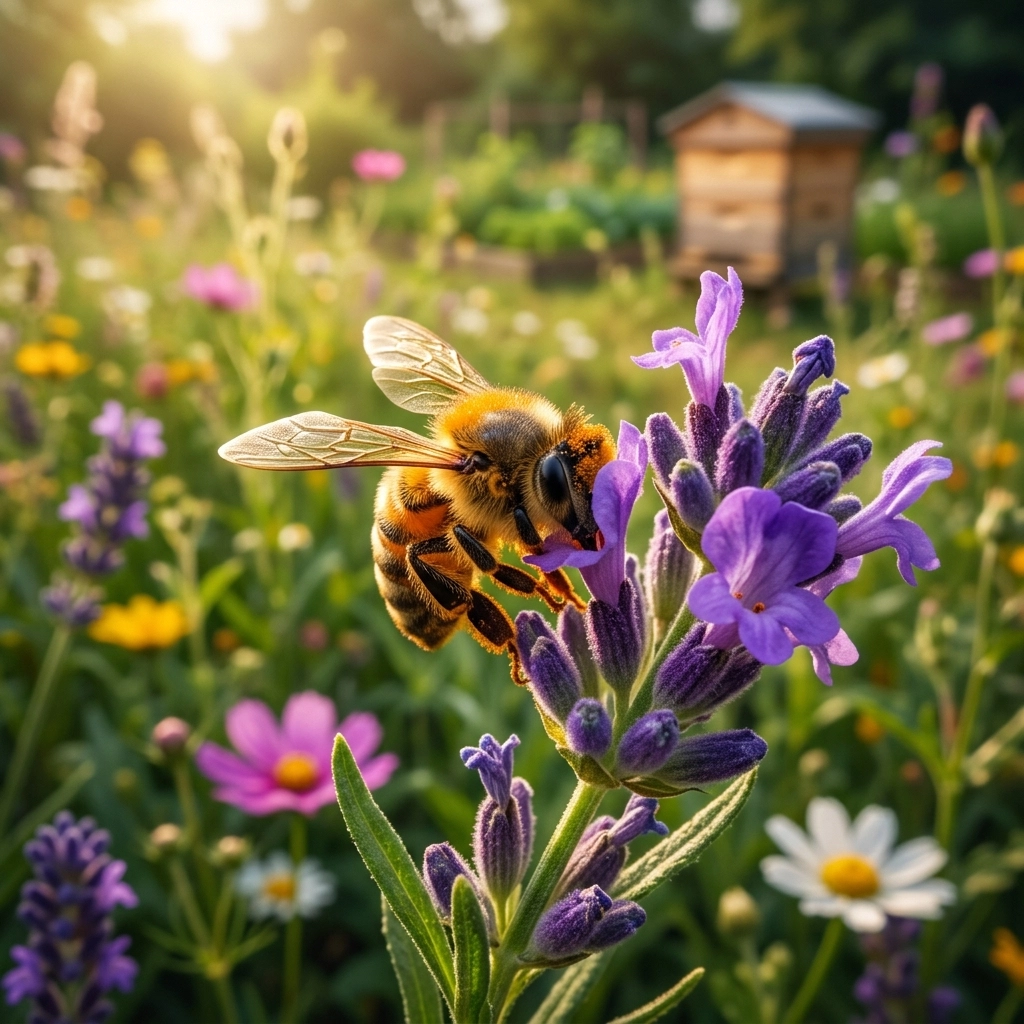
Pollination is the transfer of pollen from the male parts of a flower to the female parts. It’s how plants reproduce and create the fruits, vegetables, and nuts we rely on. When a bee lands on a flower to sip nectar, she’s accidentally picking up pollen on her fuzzy legs and carrying it to the next blossom. It’s a beautiful, natural partnership that has kept the earth green for millions of years.

The "Secret Life" of a Busy Bee
To understand why conservation matters, you have to appreciate just how hard these ladies work. (And yes, they are almost all ladies! The worker bees are all female).
A single strong colony can gather enough nectar from 100 million blossoms in a single summer to produce a surplus of honey. To put that in perspective, a honeybee visits between 50 and 100 flowers during a single collection trip. They are the ultimate overachievers of the insect world. 🏆
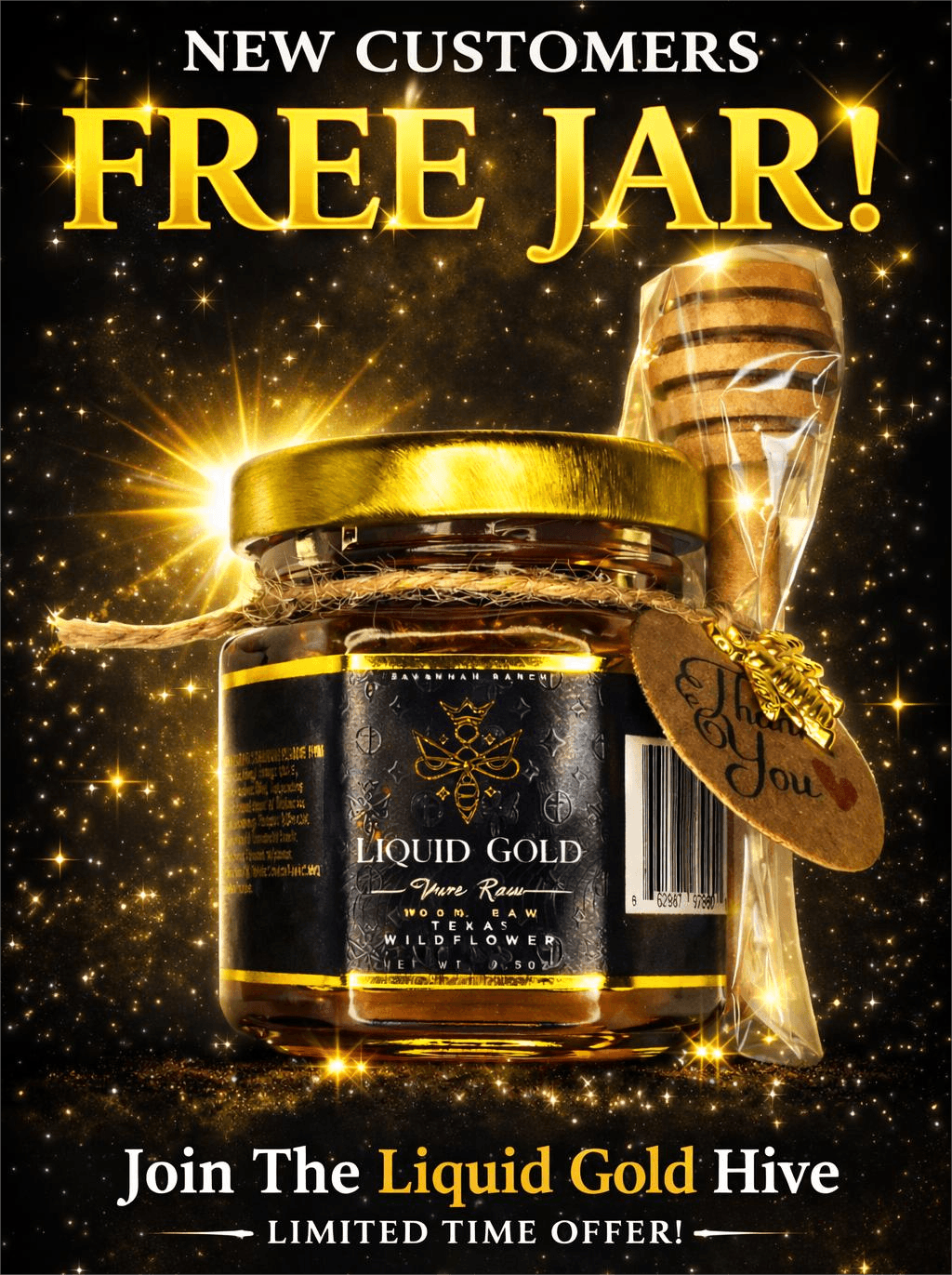
When you twist the lid off a jar of our 32 oz Liquid Gold, you aren't just looking at a sweetener. You’re looking at the collective life’s work of thousands of bees who flew thousands of miles to bring you the essence of Texas wildflowers.
What’s Threatening Our Tiny Neighbors?
It hasn’t been easy for the bees lately. Since the 1970s, we’ve seen some pretty scary drops in bee populations. It’s a "death by a thousand cuts" scenario, involving a few main villains:
- Habitat Loss: As more wild spaces are turned into concrete jungles or manicured lawns (which are basically food deserts for bees), they lose the diverse flowers they need to stay healthy.
- Pesticides: Harsh chemicals used in industrial farming can be toxic to bees, affecting their ability to navigate back to the hive.
- Climate Change: Shifting seasons can cause flowers to bloom earlier or later than usual, throwing off the bees' natural timing.
- Pests and Disease: Specifically the Varroa mite, a tiny parasite that hit the bee world hard and continues to be a challenge for beekeepers everywhere.

Stewardship at Savannah Ranch: More Than Just Beekeeping
At Savannah Ranch, we’re a family-owned farm, and that means we treat our land and our hives like family. We believe in environmental stewardship, which is just a fancy way of saying we take care of the earth so it can take care of us.
We don’t treat our honey like a factory product. While big commercial brands might heat their honey to high temperatures (killing all the good stuff) or filter it until it’s just clear syrup, we keep it raw.
By focusing on raw, local honey, we ensure that the natural enzymes, antioxidants, and local pollens stay right where they belong: in the jar. This is what we call Raw Luxurious Nourishment. When you buy from a local farm that prioritizes bee health over mass production, you are directly funding the conservation efforts that keep these colonies thriving.
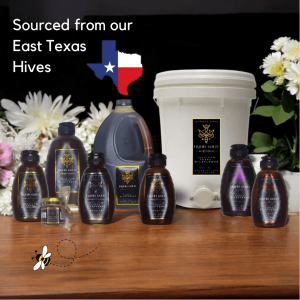
Our Beekeeper Collection is a great example of this. It’s curated to show the best of what our hives produce when the bees are happy, healthy, and respected.
How You Can Join the Mission (Without Getting Stung!)
You don’t have to put on a white mesh suit and smoke a hive to be a hero for the bees. Here are a few simple ways you and your family can help:
- Plant a "Bee Buffet": You don’t need a massive ranch like ours. A simple window box or a small garden patch with native Texas wildflowers (like Bluebonnets or Indian Blankets) provides a vital pit stop for tired bees. 🌸
- Ditch the Chemicals: Try to use natural alternatives to pesticides in your yard. A few "weeds" like dandelions are actually some of the first food sources for bees in the spring!
- Provide a Water Station: Bees get thirsty too! A shallow birdbath with some pebbles in it (so they have a place to land without drowning) is like an oasis for a busy worker bee. 💧
- Buy Local and Raw: Supporting local beekeepers who practice sustainable methods is the most delicious way to help. When you choose our Liquid Gold Gift Bag or a gallon of Liquid Gold, you’re supporting a Texas family that puts the bees first.

Why Honey Lovers Have the Most Power
As a honey lover, you have a unique "vote" with your wallet. By choosing raw honey over the ultra-processed stuff you find in plastic bears at the big-box stores, you’re signaling that you value the environment and the health of the pollinators.
Processors often source "honey" from places where environmental standards are low and the bees are treated as disposable tools. At Savannah Ranch, we see it differently. We know that the complex, floral notes in our Lavender Infusion or the deep, rich sweetness of our Cinnamon Infusion only happen because our bees have access to a healthy, diverse ecosystem.

The Liquid Gold Promise
We like to think of our honey as nature’s reward for taking care of the planet. It’s the ultimate "thank you" from the bees. Whether you’re using it to soothe a scratchy throat with our Hive Wellness Bundle or adding a kick to your charcuterie board with Honey Roasted Hot Pecans, you’re participating in a cycle of conservation.
Bees are small, but their impact is massive. By protecting them, we aren't just saving an insect: we’re saving our food, our flowers, and our future.
So, next time you’re drizzling some Savannah Ranch honey over your pancakes, take a second to think about the "Secret Life" of the bees who made it. They worked hard for you, and we’re working hard for them.
Ready to taste the difference that stewardship makes? Head over to our shop and grab a jar of our latest harvest. Your taste buds: and the bees: will thank you! ✨🐝
Stay sweet,
James Rose
CEO, Savannah Ranch
Works Cited & References
- USDA (United States Department of Agriculture): "The Importance of Pollinators." usda.gov
- National Institutes of Health (NIH): "Honey and Health: A Review of Recent Clinical Research." ncbi.nlm.nih.gov
- FDA (Food and Drug Administration): "Guidance for Industry: Proper Labeling of Honey and Honey Products." fda.gov
- The Xerces Society for Invertebrate Conservation: "Pollinator Conservation Resources: South Central Region." xerces.org
- Texas A&M AgriLife Extension: "Honey Bee Health and Conservation in Texas." agrilifeextension.tamu.edu



0 Comments